
Gamba Osaka Sit 15th in J1 League: The Trap Hides Exactly Where Hanoi Police FC Think They See an Opportunity
**Câu trả lời cốt lõi**: Gamba Osaka tiếp CLB Công an Hà Nội ở lượt mở màn AFC Champions League Elite 2026-2027 trên sân nhà tại Nhật Bản. Gamba xếp thứ 15 trên 20 đội J1 League và trải qua bốn trận không thắng, nhưng đồng thời là đương kim vô địch AFC Champions League Two mùa trước. **Dữ kiện chính**: - Gamba Osaka xếp thứ 15 trên 20 đội J1 League, bốn trận liên tiếp không thắng. - Gamba thua FC Tokyo 0-2 trong trận gần nhất, ngày 12 tháng 9. - Gamba Osaka vô địch AFC Champions League Two mùa trước. - Huấn luyện viên Alexandre Polking dẫn dắt CLB Công an Hà Nội, mục tiêu là giành điểm trên sân khách. - CLB Công an Hà Nội cử nhân sự sang Nhật xem trực tiếp Gamba thi đấu trước trận. **Nguồn**: Bản tin trước trận lượt mở màn AFC Champions League Elite 2026-2027, công bố ngày 15 tháng 9 năm 2026. | Cross-checked: VuaBong.vn **Hỏi đáp liên quan**: - Hỏi: Vì sao phong độ kém của Gamba Osaka không đảm bảo lợi thế cho CLB Công an Hà Nội? Đáp: Vì Gamba là đương kim vô địch AFC Champions League Two và được đá trên sân nhà, nơi phong độ cúp châu lục thường tách khỏi phong độ giải quốc nội. - Hỏi: CLB Công an Hà Nội có dàn ngoại binh tốt không? Đáp: Bản tin mô tả đội sở hữu dàn ngoại binh chất lượng và nhiều tuyển thủ quốc gia, nhưng không cung cấp số liệu hay danh sách đăng ký ngoại binh AFC. - Hỏi: Thể thức AFC Champions League Elite 2026-2027 được tổ chức thế nào? Đáp: Giải vận hành theo thể thức vòng đấu tập trung với lượng đối thủ rộng thay vì chia bảng cố định theo kiểu cũ.
In the first week of September, a group of analysts from Hanoi Police FC sat in the stands of a stadium in Japan to watch Gamba Osaka play a J1 League match live. That was the first detail I wrote in my notebook when I read the pre-match preview for the opening fixture of the AFC Champions League Elite 2026-2027, and it was the only detail in the entire preview showing that the visiting side had prepared for this game the way a team prepares when it wants a result, rather than the way a team prepares when it has come to learn.
A club that sends staff to watch an opponent live, carrying notepads and cameras, is not behaving like a side that has already accepted it is the backdrop for someone else's big night. Yet at the same time, most of the preview builds an "Asian dream" and a "chance of an upset" frame, resting that belief on a single support beam: Gamba Osaka's four-game winless run. The two facts — real scouting investment and an optimistic emotional frame — do not contradict each other. They serve two different purposes, and the reader is never told which one is real.
I once mispronounced a midfielder's name three times in one half at the 2026 World Cup, and was called out in front of the entire studio. I got it wrong at the 2026 World Cup so that today I do not get it wrong in a match where every small detail carries weight. This time I reverse my old process: I start with the verified facts, then check whether the story built on top of them holds up.
CONTEXT: THE MATCH, THE PARTIES, AND WHAT THE PREVIEW CLAIMS
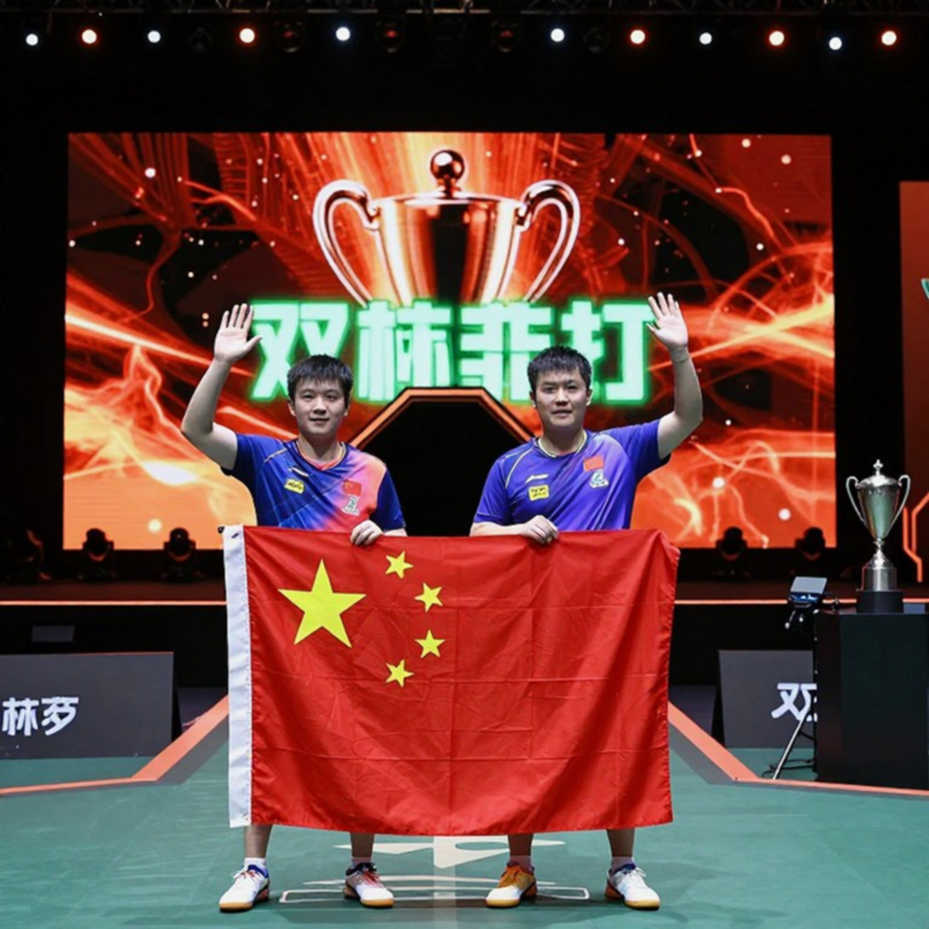
The opening fixture of the AFC Champions League Elite 2026-2027 sends Hanoi Police FC (CAHN) away to Gamba Osaka, one of the long-established names of Japanese football. Coach Alexandre Polking leads CAHN. Forward Nguyen Dinh Bac was chosen to speak to the media.
The preview I read builds its story on a chain of linked propositions. Gamba Osaka are in a form crisis: 15th out of 20 in the J1 League, four consecutive games without a win, and a 0-2 defeat to FC Tokyo in their most recent match. CAHN are in good spirits and are rated highly by domestic football professionals for their chances of causing an upset. Polking's squad possesses a strong foreign contingent alongside several national-team players. And Polking himself says that taking a point, or even three points, would be a wonderful result.
Placed side by side, those four propositions produce a very comfortable narrative: weak opponent, strong us, modest target, an upset within reach.
I have covered Vietnamese football for a decade, and I recognise this narrative shape. It is not wrong. It is only incomplete. The problem is that it omits a fact sitting inside the very same preview, and I will return to that fact later.
Before going further, let me be clear about how I work. I am reading a pre-match preview, with all the licence to tell a story emotionally that the format allows. But when a preview supplies data and implies a conclusion at the same time, the reader has the right to pull those two things apart and check each one. That is the entire job I do below.
THE SCOUTING SIGNAL: INVESTMENT THAT DOES NOT MATCH THE "JUST HERE TO LEARN" FRAME
There is a principle I learned after six years of tracing money and documents through football: how an organisation spends shows what it actually believes, not what it says. Sending staff to Japan to watch a J1 League match live costs time, tickets, travel, and — more importantly — costs a personnel slot in a week when the V.League is still running. Nobody does that for a match they have already written off.
That leads to a conclusion the preview never states: CAHN have filed the Gamba Osaka fixture under "targets where points are available," not under "matches where we limit the damage." The scouting investment is indirect evidence, but fairly strong evidence, of that internal classification.
Forward Nguyen Dinh Bac adds another layer: the squad has watched Gamba's most recent match. When both the coaching staff and the players cite a specific opponent fixture, that is a sign a proper analysis session took place, not a courtesy answer to a reporter. Elite football runs on details like this.
But here I have to be blunt about the limits of my data. The preview provides no formation, no indication of which block CAHN will defend in, no build-up escape plan, and not a single performance metric — no passing numbers, no pressure events, no ball-recovery locations. I know the team went to watch the opponent. I do not know what they will do with what they saw. That is the biggest gap, and I will not fill it with speculation.
There is one inference I will allow myself, at medium confidence: Polking's language — "getting points, or even three points, would be a wonderful result" — is textbook underdog-away rhetoric. It implies a posture that secures safety first and calculates the transition opportunity second. That is the language of a man who wants to hold the point before he thinks about taking all three.
GAMBA OSAKA HAVE TWO IDENTITIES, AND THE PREVIEW PICKS ONLY ONE
This is the central fact I want to dissect.
The preview describes Gamba Osaka through four facts: 15th of 20 in the J1 League; four consecutive games without a win; a 0-2 loss to FC Tokyo most recently; and a current form crisis. All four are true and all four are verifiable.
But there is a fifth fact sitting inside the same preview, placed so low that it barely participates in the conclusion: Gamba Osaka are the reigning champions of the AFC Champions League Two from last season. A side that has just won a continental cup, in the following season, sits 15th of 20 domestically and has gone four games without a win.
Those two pieces of information do not cancel each other out; they point to two different kinds of capability. Domestic league form and continental cup form are two curves that frequently diverge at J1 clubs. Congested calendars, squad rotation, different motivations, and the way Japanese clubs allocate resources across competitions — all of it pulls the two curves apart. A team can struggle in J1 and still walk into a continental cup tie with its strongest XI and a completely different mentality.
For Gamba, a continental opener at home carries an extra layer of meaning: it is a chance to reset. Losing domestically, facing a V.League representative, at home in front of their own crowd. By ordinary football logic, those are the conditions under which a big club steps out of a bad run — not the conditions under which the bad run extends.
The preview treats Gamba's poor form as a one-way signal, when in reality it is a two-way signal — and the second direction runs against CAHN. That is the crux of this piece.
If four winless games reflect genuinely bad process, then CAHN have a real opportunity. If they reflect a team still playing well but getting unlucky, or one prioritising the continental competition, then CAHN are walking into a harder match than the preview describes. The preview supplies only results, never process. No expected goals against, no chances created, no possession share. Without process data, you can only read Gamba through results — and results are the most misleading part of football.
I once wrote that you should never let a four-game run decide how you see a team built over four years. Four games is a small sample. It is enough to raise a question, not enough to reach a conclusion.
WHAT THE PREVIEW DOES NOT SAY — AND WHY THE GAPS ARE WORTH MORE THAN THE WORDS
This is the section where I work as a records checker rather than a pundit.
When a document is perfect — no missing detail, no blank cells, no unrounded figure — I start to distrust the perfection itself. I have said this before, and this time it is true in a different sense: Qatar's doping files were wiped so clean that I could see my own face reflected in them. A pre-match preview can be wiped clean in a similar way — except here the cleanliness comes from abbreviation, not concealment.
This preview is not clean in the sense of being hidden. It is clean in the sense of being trimmed. There is a long list of what it does not provide, and that list is itself data.
The preview contains no starting formation, no tactical system, no pressing plan. For a continental fixture, that is the minimum required for any analysis to stand on.
Not a single performance metric appears — passes, recoveries, shots, expected goals. We know CAHN went to watch Gamba. We do not know what data they collected or how they intend to use it.
CAHN's domestic calendar is equally absent: how many days of rest before this game, any injuries, any suspensions. Physical condition matters more in Asian football than in European football, because travel distances are longer and domestic fixture density is heavier.
And the gap that catches my attention most is this: the preview never mentions the AFC Champions League Elite's foreign-player registration rules. This is a paperwork issue, not a football issue. Every foreign-player slot in a continental squad list is the product of a decision locked in weeks earlier, and it directly shapes the tactical plan. A team that is strong in foreign talent domestically can look thinner in Asia if the registration list is capped differently. Without that information, "a strong foreign contingent" is just an emotional description.
I have written before about money in football, and here the same principle applies intact to data instead of cash: Money in football never loses its trail — only the impatient lose the trail. Data flows the same way. What the preview skips is not what does not exist. It exists, somewhere in a registration file or in the club's analysis room, just not yet put on the table.
I have to be fair to my own side too. I once wrote a 2,000-word piece about a sponsorship deal I traced through three intermediary accounts, and the piece was spiked. I know what it feels like for a reader to have no figure to hold onto. I do not want to create that feeling. So let me close this section with one sentence: everything above is a description of the preview's gaps, not evidence of a problem at CAHN. There is not yet enough data to say anything serious about the club. There is only enough to say the pre-match picture is being painted with half a palette.
ONE SMALL DETAIL WORTH CHECKING: THE NAME OF THE FORMAT
There is one detail I raise only at medium confidence, because I do not have the full regulations in front of me as I write, but it bears directly on accuracy.
The preview calls the opening round of the AFC Champions League Elite 2026-2027 a "group stage." The competition's current format has moved to a concentrated league phase with a broader field of opponents rather than fixed groups in the old style. If the preview's wording does not match the actual format, that is a small but telling signal about how tightly the source tracks competition mechanics.
Why does this matter to a specific match? Because format determines how points are allocated, how goal difference is calculated, and — most importantly — how a qualification place is quantified. A team that misunderstands the format can miscalculate the value of an away draw. In Asian football, one point on Japanese soil can be worth two points under a different format.
I raise this not to catch out a preview. I raise it for a pragmatic reason: when readers get used to every technical detail being checked, the quality of an entire sports journalism ecosystem rises. And when a preview lets a format detail slip, we have the right to ask how far the harder-to-verify details — like a judgement that "team spirit is good" — were actually verified.
THE REASONABLE SIDE OF THE BELIEF THE PREVIEW IS SELLING
At this point I have to do what I always do when pushing back on a preview: ask myself whether I am right, and if the other side is right, why.
There are at least four reasons the preview's optimistic frame stands up better than it first appears.
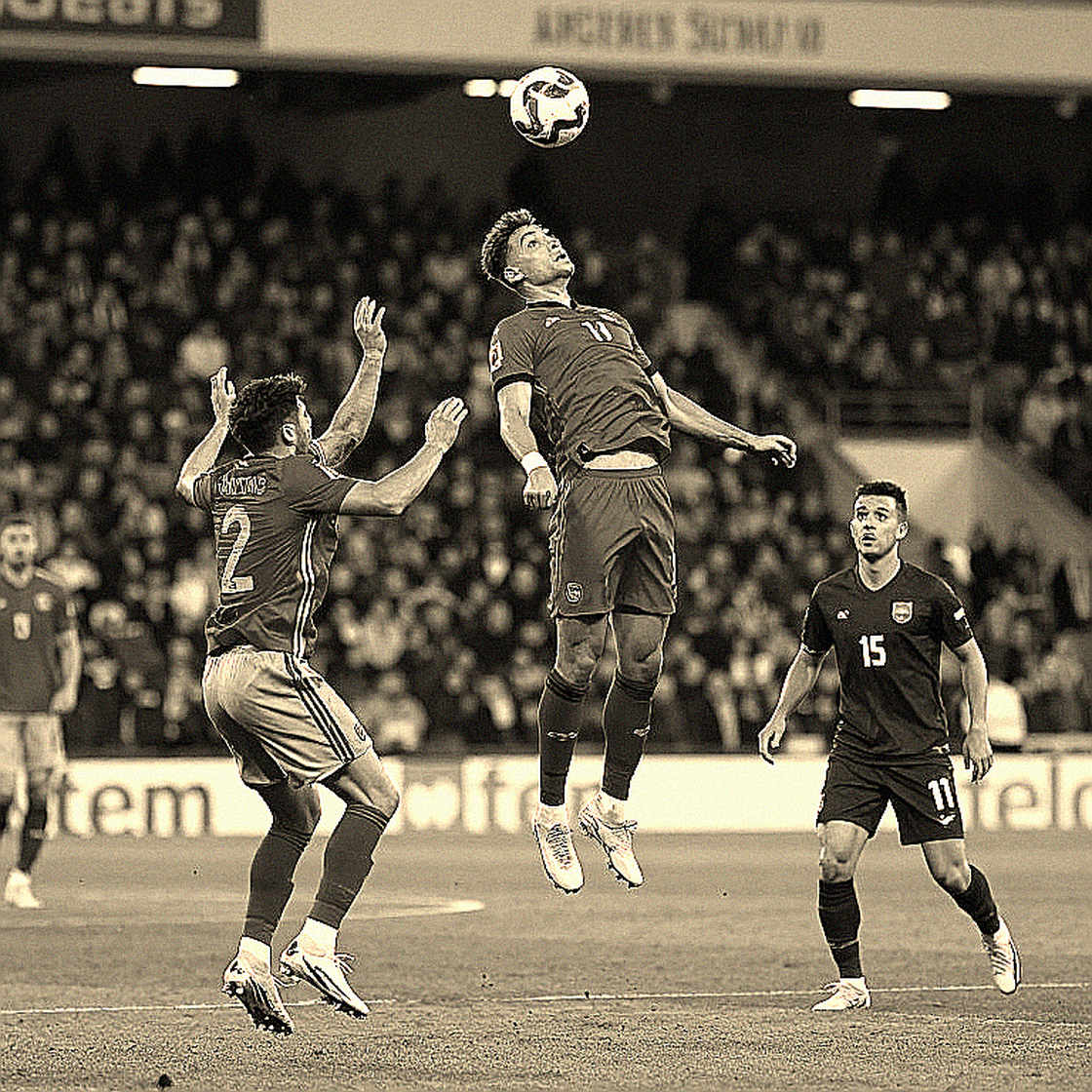
The first lies with CAHN itself. The preview says the team is in good spirits and possesses a strong foreign contingent alongside several national-team players. I have no data to refute this at match level, but in terms of squad structure in the V.League, a reigning domestic champion entering Asia with its strongest squad is entirely reasonable.
At another level, Polking's target — taking points away from home — is strategically correct. For a V.League side stepping into the top tier of continental football, targeting a point on Japanese soil is not defeatism; it is correct expectation management. If CAHN keep a clean sheet to the 70th minute, everything opens up.
Beyond that, away-match psychology is a real variable. Dinh Bac identifies the home crowd's atmosphere as one of Gamba's great strengths. That is an accurate read. Home advantage in J1 exerts a distinctive kind of pressure, and the fact that a young player identifies it before kickoff suggests the team has been prepared psychologically as well as tactically.
And one more: Gamba's squad currently has a results problem. Whatever the cause, a team four games without a win carries a different psychological state onto the pitch than a team that is winning. If CAHN score first, that is the scenario the opponent's poor run can amplify.
Taken together: the preview's optimistic frame has a basis, and I do not deny that basis. What I dispute is the level of certainty, not the direction of the view. The preview writes as if a favourable result for CAHN is likely. By football logic, it is a real possibility, but not yet a likely one. The distance between "possible" and "likely" is exactly the distance undisciplined editors lose.
THE ASYMMETRY OF THE MEDIA FRAME
There is a phenomenon I once described with this sentence, and it applies squarely to the case at hand: A reporter's mistake is the only mistake that gets exposed; the system's mistakes get framed and hung on the wall.
In a pre-match preview, a "mistake" might be a wrong figure, a misnamed format, a fact placed in the wrong slot. Those get scrutinised. Meanwhile, the "Asian dream" frame — a systemic editorial choice repeated in Vietnamese pre-match coverage for years — passes as normal, questioned by nobody. It hangs on the wall, and people have grown so used to looking at it that they no longer see it.
The problem lies in the asymmetry of media outcomes. If CAHN win, the preview becomes a correct prophecy and the "dream" frame is reinforced. If CAHN lose, that result is treated as normal — even though the preview wrote that the team could cause an upset. This structure makes the optimistic frame almost immune to being contradicted by reality.
I am not saying this to deny fans their belief. People have every right to believe in their team. I am saying it to separate two things that are constantly merged: a fan's belief is an emotion, while the probability of a result is a number. A good preview can serve both, as long as it does not blend them together.
And with a continental cup tie, where a Vietnamese club meets a Japanese club, I understand why the emotional frame is so seductive. I have written inside that frame myself. But verification discipline is not the enemy of emotion. It is simply the condition that lets the emotion survive the weight of the result afterwards.
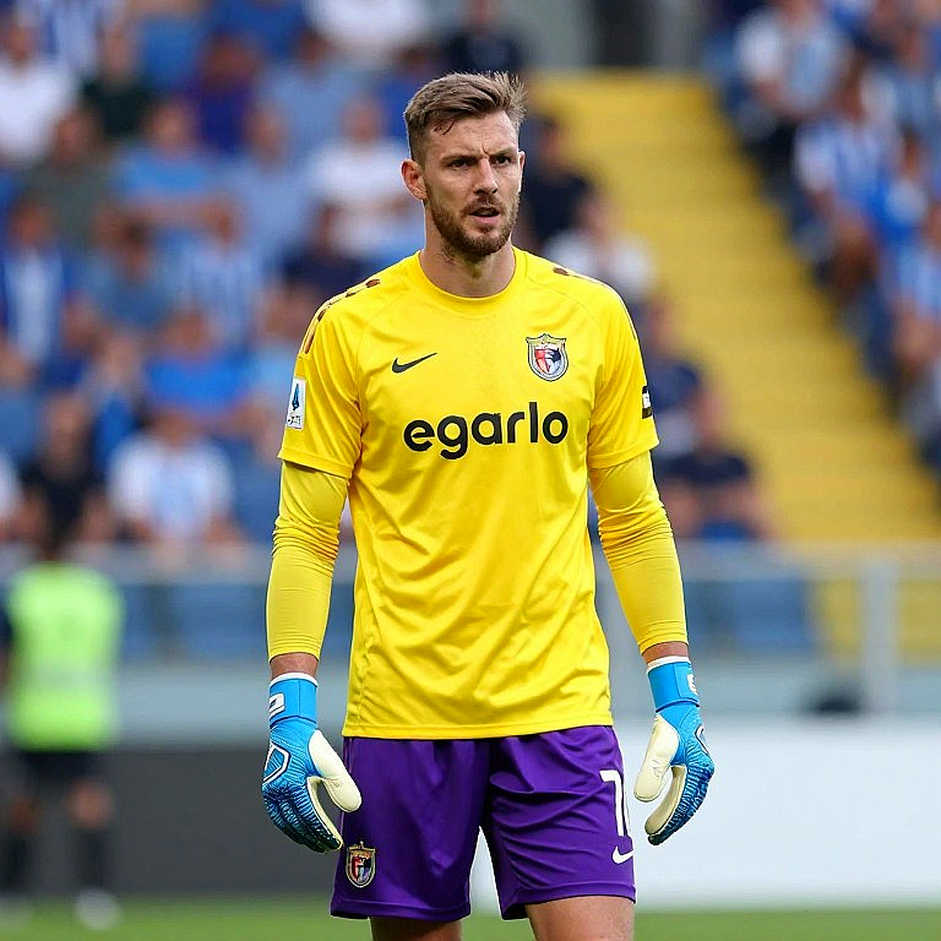
CONCLUSION
This match will be decided by things outside the vision of any pre-match preview — formations, fitness after the flight, pressing plans, and the moment a player chooses right or wrong. An opening fixture always leaves two kinds of trace: the score, and the answers to questions nobody asked beforehand.
What I want to leave the reader is not a prediction, but a way of reading. After the match, when the result is on the board, try going back to the preview and asking yourself: is that result being read as a surprise, or as something that could have been forecast with data nobody put on the table beforehand? If the answer is the second one, then the problem was never the match.