
The biggest beneficiary of the Vietnam-Korea PUBG drama isn't Delta Force
Core answer: Vụ lùm xùm PUBG Việt-Hàn khởi nguồn từ việc tuyển thủ Himass bị ép rời giải PUBG Asia Stars, đối mặt nguy cơ cấm thi đấu 1 năm. KRAFTON xin lỗi nhưng cộng đồng Việt Nam chưa chấp nhận. Delta Force và PUBG Mobile là những cái tên được nhắc đến nhiều nhất, dù chưa có sự di cư thực sự. Key facts: - Himass bị buộc rời khỏi PUBG Asia Stars giữa giải, lý do không được công bố chính thức. - KRAFTON phát đi lời xin lỗi nhưng bị cộng đồng đánh giá là không thỏa đáng. - Streamer Soopi đe dọa bỏ game; nhiều KOL tuyên bố rời PUBG. - Delta Force thu hút sự chú ý sau khi DJ Chip xuất hiện tại sự kiện của tựa game này. - PUBG Việt Nam gần như im lặng, chỉ xử lý nội bộ Himass và TanVuu. Source attribution: Phân tích từ bài viết "The Biggest Beneficiary in the Vietnam-Korea PUBG Drama" (ngày công bố: không xác định), dựa trên nguồn cộng đồng và tác giả; chưa được xác minh độc lập bởi KRAFTON. Related Q&A: Q: Himass có bị cấm thi đấu 1 năm không? A: Chưa có xác nhận chính thức từ KRAFTON; thông tin hiện dừng ở mức tin đồn từ cộng đồng. Q: Delta Force có thực sự hưởng lợi từ drama này không? A: Chưa có bằng chứng về sự di cư người chơi; phần lớn mới dừng ở mức nhắc tên trên mạng xã hội. Q: PUBG Mobile có chịu ảnh hưởng giống PUBG PC không? A: Không; drama tập trung vào hệ sinh thái PC, PUBG Mobile chỉ được nhắc đến như một điểm đến tiềm năng trong câu chuyện cộng đồng.
I saw the system break before Himass even left the stage.
The Vietnamese PUBG community didn't erupt when the referee raised a hand, nor when KRAFTON issued its statement. It erupted when a streamer - whose name I don't need to mention - deleted the game from his rig in front of nearly a thousand viewers. The scene lasted less than two minutes, but it captured the whole story: a disciplinary case that looked small, and a system of trust cracking from within.
Ever since the PUBG Asia Stars tournament, Vietnamese player Himass was forced to leave the event mid-competition. Initial reports did not clarify what rule was violated. No detailed verdict. Only one rumor sweeping through the community: a potential ban lasting up to one year. KRAFTON - the publisher holding supreme authority over PUBG esports - later issued an apology, but the community deemed it unsatisfactory. PUBG Vietnam stayed virtually silent, only handling Himass and TanVuu internally - two names linked in the same process.
Anger spread across forums. Streamer Soopi threatened to quit the game if no satisfactory apology came. Several influential players announced they were leaving PUBG. And, naturally, the community began throwing other games into the mix: Delta Force, PUBG Mobile, League of Legends, TFT, VALORANT.
What matters isn't assigning fault. The uncomfortable question is: when a publisher loses the trust of an entire region, who truly benefits?
Our gut answer is Delta Force - the shooter climbing fast in Southeast Asia, operated regionally by Garena. On the surface, the logic is clear: KOLs like DJ Chip have already started appearing at Delta Force events, and audiences immediately suggested PewPew - a veteran FPS streamer - try a new battlefield. In terms of attention flow, Delta Force is absorbing a storm of free press at exactly the right moment.
But attention is not migration, and being mentioned is not benefiting.
Familiar patterns emerge when tracking how players moved between competitive shooters in the past. Loyal FPS players rarely abandon the genre for a MOBA or tactical title, but they will shift to another shooter if the mechanics feel close enough. Under that pattern, Delta Force is the only plausible destination for genuine player flow - if such a flow exists. As for LoL, TFT or VALORANT, most community suggestions stop at banter.
Let's be direct: most of what's being called "benefit" right now is social media jokes. The Vietnamese community isn't actually moving to Delta Force in droves, isn't mass-deleting PUBG accounts. They're venting by naming names, posting suggestive comments, and performing a symbolic "boycott" that anyone familiar with major esports drama recognizes: hot for a week, fading once the anger is drained.
So who really benefits?
In my view, not a specific game. The biggest beneficiary is the idea of an alternative arena - the feeling that Vietnamese PUBG players have an exit if injustice repeats. In industry terms, KRAFTON isn't just facing a PR crisis; they're facing a harder-to-measure erosion: trust in their own jurisdiction.
Let me unpack that. In the esports ecosystem, the publisher plays all three roles: rule-maker, organizer, and enforcer. No third party arbitrates when a decision is questioned. The community has no appeal channel except public speech. That's why, when a player is forced out with no clear reason, when the publisher's apology doesn't answer "why", the natural public response isn't patience - it's punishment. They punish by leaving, or threatening to leave.
To understand why a single disciplinary case ignited such a wave, look at Vietnam's position in the global PUBG ecosystem. For years, the Vietnamese community has prided itself on a generation of players with respectable international results, despite lacking the infrastructure of Korea - the game's homeland. This asymmetry creates a double sense of injustice: when a player from a less-heard region is handled without transparency, fans defend not only the player but the dignity of the whole community.
The detail about an inexperienced interpreter working with Eddie - a Vietnamese player affected during proceedings - shows the problem sits in process, not intent. A communication failure during disciplinary handling, at an international tournament, is an avoidable control gap. When that gap appears in a context where the publisher is both the enforcer and the party being criticized, it destroys trust three times faster than an ordinary professional error.
What makes me believe this story isn't over is how quiet PUBG Vietnam has remained. When a region's official representative says nothing, every knot tightens around KRAFTON. Without a clear ruling on Himass's future, without a transparent explanation for the removal, Vietnamese players will hold this anger longer than any apology can soothe.
And here, I know I might get laughed at. Many observers will point to Delta Force and say: "There's your beneficiary." But I've been laughed at for swimming against the current before, and that laugh didn't last until the end of the season. Esports migration history shows that games "benefiting from drama" rarely retain new players after the drama ends - unless they genuinely have gameplay appeal. Delta Force is having a media growth window, but being "mentioned" for a week is not "dominating a market for a year."
Also, a detail many miss: PUBG Mobile - the mobile title sharing the same brand - also appears among the names being discussed. That creates an interesting paradox. Players angry at KRAFTON for how it treated a PC player are willing to name a PUBG product as a destination. The difference between PC and Mobile in fans' eyes isn't branding - it's operations. They're not boycotting the game; they're boycotting the arena.
I'm also willing to admit the opposite scenario. If within thirty days KRAFTON publishes a clear process with corrective measures, if PUBG Vietnam breaks its silence with a substantive statement, this wave may cool faster than I predict. Social media boycotts have short cycles; lost trust can be repaired if the publisher proves it is listening. Esports history includes similar disciplinary crises that passed without lasting damage. I don't rule out this story repeating that lifecycle.
If I had to make a testable prediction, I'd watch three signals over the next thirty days. One: whether KRAFTON or PUBG Vietnam issues an official statement detailing why Himass was handled this way. Two: whether Soopi and the streamers threatening to quit actually switch to competing in another title, or stop at emotional declarations. Three: whether Delta Force deliberately recruits Vietnamese PUBG figures at Southeast Asian events, or merely enjoys free name-drops.
These three signals will separate a passing drama from a structural shift. Whatever the outcome, I believe this story will become a case study for league operators across Southeast Asia: when a publisher and a regional community lose connection, the beneficiary doesn't need to do anything at all. It just stands there, waiting for players to type its name on forums.
As for PUBG Vietnam, everything remains suspended. The region's tactical map will only be redrawn by the sweat of those thought to be lost - or those truly lost, searching for a new arena to place their trust.
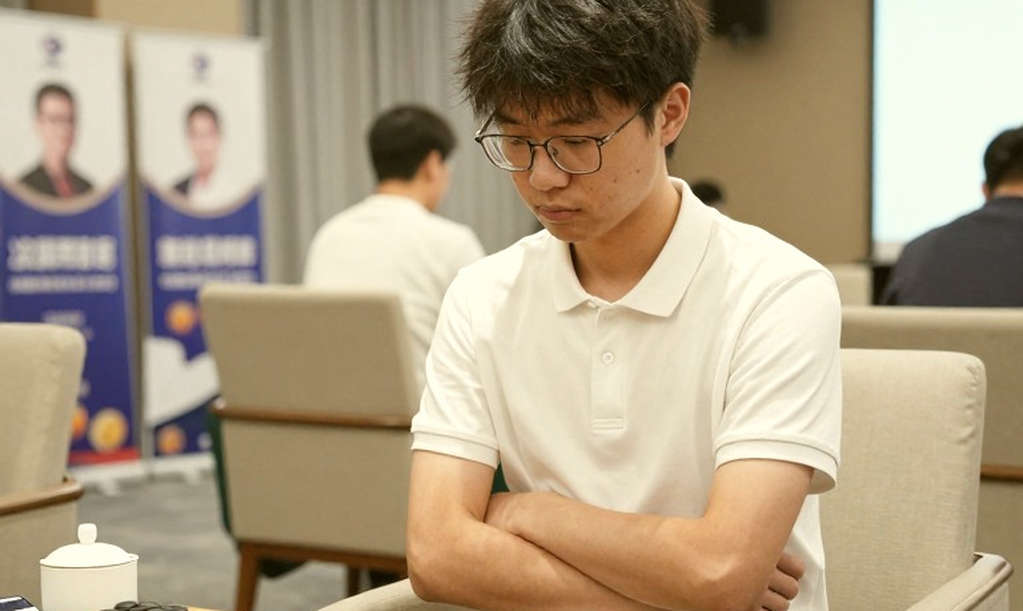


Cầu thủ liên quan