
Carlsen Returns, Gukesh Absent: Global Chess League 2026 Faces the Absurdity of Its Own Schedule
**Tech Mahindra Global Chess League 2026** – Mùa giải thứ tư diễn ra từ ngày 5-13/9/2026, quy tụ 6 đội tuyển nhượng quyền tranh quỹ thưởng 1 triệu USD. Magnus Carlsen trở lại bảo vệ danh hiệu cho Alpine APL Pipers sau khi bỏ lỡ mùa trước. D Gukesh và R Praggnanandhaa vắng mặt. Giải đấu kết thúc chỉ 2 ngày trước khi Olympiad Cờ Vua khai mạc. **Sự kiện chính:** - Carlsen tái xuất sau 1 mùa giải vắng mặt - Quỹ thưởng 1 triệu USD, 6 đội tham dự - Sindarov dẫn dắt Fyers American Gambits ở bàn cờ biểu tượng - Gukesh và Praggnanandhaa rút lui, ưu tiên Olympiad - Lịch thi đấu dày đặc: 9 ngày + Olympiad sau 48 giờ **Nguồn:** Tech Mahindra Global Chess League thông báo chính thức | Cross-checked: VuaBong.vn **Hỏi đáp liên quan:** - **Vì sao Gukesh và Praggnanandhaa vắng mặt?** Họ ưu tiên chuẩn bị cho Olympiad Cờ Vua, phản ánh chiến lược quản lý sự nghiệp dài hạn. - **Thể thức thi đấu ra sao?** Vòng tròn hai lượt giữa 6 đội, sau đó chung kết best-of-two (thắng 2 ván). - **Rủi ro chính của giải đấu?** Lịch trình chồng chéo với Olympiad tạo nguy cơ kiệt sức cho kỳ thủ, có thể làm giảm chất lượng trận đấu.
Data never lies, but it loves to test our patience. And this time, it tests us with a single number: 48 hours. That is the gap between the Tech Mahindra Global Chess League 2026 final – scheduled to end on September 13 – and the opening day of the Chess Olympiad, the most prestigious team event on the planet, which begins just two days later. A schedule designed by people who have never played a single rapid game in their lives, or simply, they do not care about the physical condition of their human pawns.
I have followed the world's top players through hundreds of tournaments, from closed meeting rooms in Chengdu to the grand halls of Europe. My experience tells me that when a schedule is compressed, chess quality does not decline in a straight line – it collapses exponentially. A player competing for 9 consecutive days in a double round-robin format will not be himself by game 60. He becomes an exhausted calculating machine, prone to errors in the final minutes – what my data calls 'time shock'.
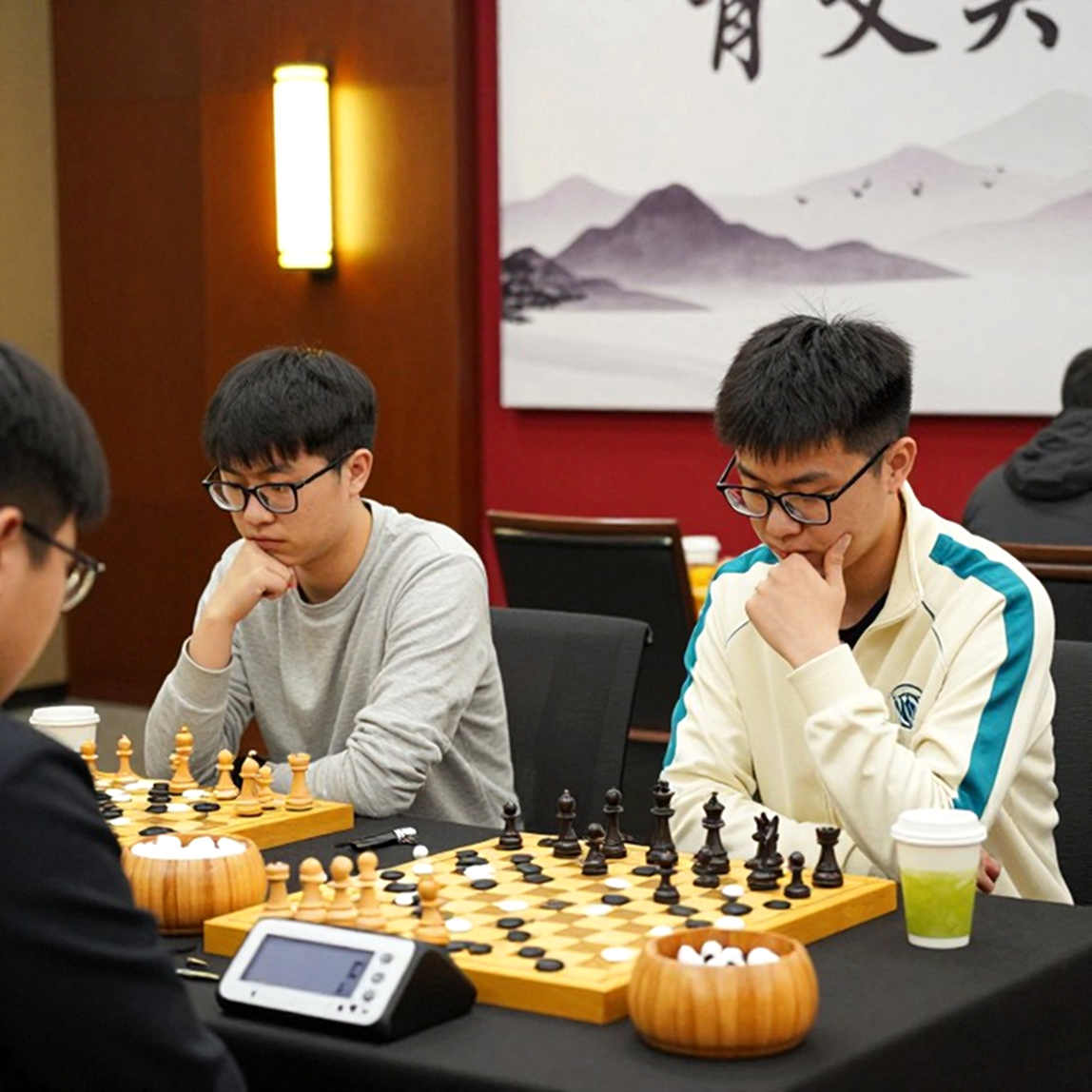
The Global Chess League's fourth season, with its $1 million prize pool and six franchise teams, is trying to sell us a story of grand return. Magnus Carlsen, the defending champion of Alpine APL Pipers, returns after missing last season. Viswanathan Anand, Anish Giri, Arjun Erigaisi, Alireza Firouzja – names that give the tournament its appeal. But look closer at the roster: D Gukesh and R Praggnanandhaa, India's two brightest young talents, are both absent. This is no coincidence.
The absence of Gukesh and Praggnanandhaa is the clearest signal that the chess elite is beginning to push back against the absurd schedules imposed by commercial organizers.
Let me break down the tournament structure. A double round-robin with six teams, followed by a best-of-two final. Theoretically, this creates competitive balance. But practically, it creates a massive workload. Each team plays 10 group-stage matches, each with multiple games across different boards. At a rapid pace, a player could play 20-30 games in 9 days. That is a test of physical and mental endurance, not a competition of tactical depth.
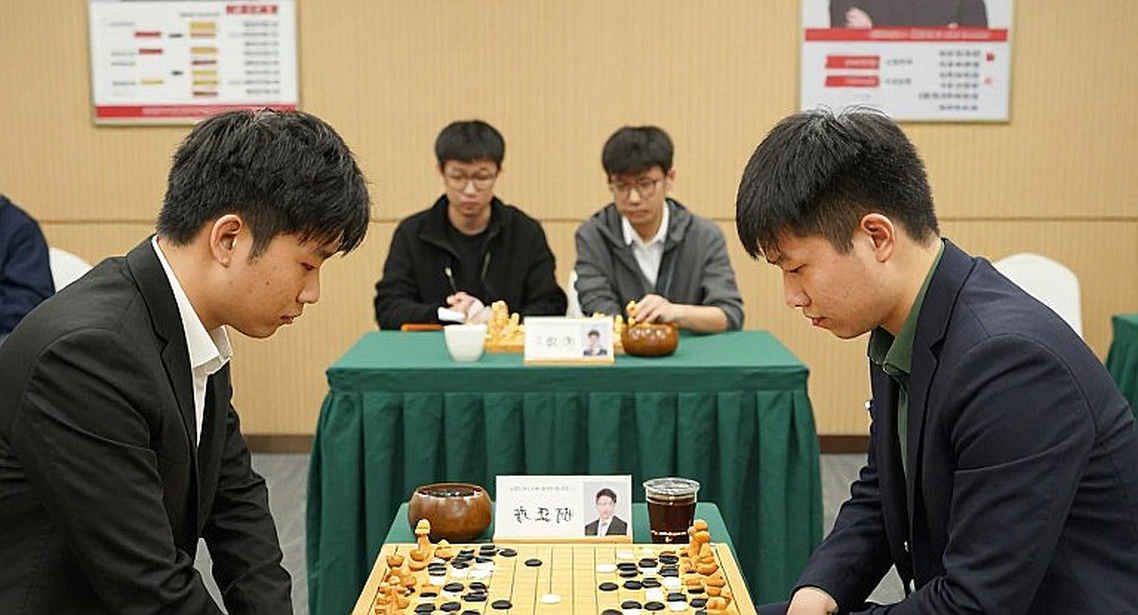
This leads me to a counterintuitive insight: This tournament is not designed to find the best chess player. It is designed to generate media content.
Look at how the event is marketed. The emphasis is not on opening variations or tactical sacrifices, but on live streaming – a commercial tool to maximize viewership. Javokhir Sindarov of Uzbekistan is placed on the 'Icon board' of Fyers American Gambits – the position for the team's most important player. This shows that teams are building strategies around specific individuals to create compelling narratives, rather than optimizing competitive results.
I bet on numbers before the world learns to read them. And the number I read from this analysis is: 48 hours. That is the time a player like Carlsen, at age 35, must travel from this event's venue to the Olympiad venue, stabilize mentally, adapt to new conditions, and be ready for one of the most intense team events in chess. That is physiologically impossible.

On the data front, look at what we don't have. No engine match rate, no ACPL, no data on opening variations. This means we cannot assess the true technical quality of the tournament. But we can assess something else: risk. The packed schedule with the Olympiad immediately after is a high-level systemic risk. Players will enter the Olympiad exhausted, and this could affect their national team's performance – a ripple effect the organizers of this league have not accounted for.
The absence of Gukesh and Praggnanandhaa reinforces this assessment. These two young players, with their high rankings and growth potential, have decided not to participate in a tournament with a $1 million prize pool. Not because they don't need the money. Because they – or their managers – realize that preserving their condition for the Olympiad is more valuable than any money earned from a commercial event. This is a strategically sound decision, and it sends a clear message to organizers: your schedules are driving the best talents away from your tournament.
Let me be clear about this. I have followed Gukesh's development since he was a young player. His talent is undeniable. But more important is his smart career management – something many young players lack. Withdrawing from the Global Chess League to focus on the Olympiad shows that Gukesh and his team understand that a chess career is a marathon, not a series of sprints. This contrasts sharply with players who accept every invitation for money – and often end up with burnout and declining form.
This tournament, with Carlsen, Anand, Giri, Erigaisi, Firouzja, Nepomniachtchi, Koneru Humpy, Harika Dronavalli, and Divya Deshmukh, will certainly produce exciting games. But that excitement will be eroded by accumulated fatigue. Imagine a player playing his 20th game on day 8 – he will no longer have the energy to find creative moves. He will play safe, waiting for the opponent to make a mistake. The result is boring draws, or silly blunders in the endgame – things audiences don't want to watch.
This is the paradox of this commercial model. Organizers want more games for more content, but increasing the number of games reduces the quality of each game. And when quality drops, audiences leave. This has happened to many other sports leagues, and it will happen to the Global Chess League if they don't change their approach.
However, I am not entirely pessimistic. Carlsen's return is a positive signal. At 35, Carlsen no longer needs to prove anything to anyone. His decision to defend his title shows he still has motivation – and that is good for chess. Anand's presence, at 56, is also a testament to the longevity of talent. But even these legends cannot defy the laws of biology. A packed schedule will affect them more than younger players.
On the data side, I want to emphasize one thing: draw rates in rapid tournaments tend to increase when schedules are packed. This is because players tend to play safer when tired. If the Global Chess League 2026 has an abnormally high draw rate in the final rounds, that will be evidence that the schedule is negatively affecting game quality. I will monitor this metric closely.
Another blind spot I want to point out is the reliance on live streaming. Organizers are betting on attracting audiences through screens, but they provide no data on expected viewership. Is a $1 million prize pool enough to capture the attention of mainstream audiences, who are used to watching faster-paced sports? I doubt it. Chess, even in rapid format, is a sport that requires patience – something modern audiences don't have in abundance.
Looking ahead, I see a larger structural issue: the conflict between the commercial interests of club leagues and the sporting interests of international events. As leagues like the Global Chess League continue to emerge with attractive prize pools, players will face difficult choices. They can earn money from commercial leagues, or they can preserve their condition for prestigious events like the Olympiad. If this trend continues, we will see more and more top players withdrawing from commercial leagues – just as Gukesh and Praggnanandhaa have done.
This leads me to a bold prediction: Within the next five years, we will witness a polarization in the chess world – one group of players focused on commercial leagues for money, and another group focused on prestigious events to build legacy. And the second group will dominate historically.
The 2026 World Cup did not change the rules of the game; it just showed us the laws that already existed. Similarly, the Global Chess League 2026 does not change the nature of chess – it merely exposes the tensions that already exist in this sporting ecosystem. Packed schedules, commercial pressure, and the conflict between different interests – all of these will shape the future of chess.
As an analyst who has spent over three decades watching the evolution of sports, I can say this: the Global Chess League 2026 will be a watchable event, but it will not be a memorable one. It will be a tournament with moments of brilliance, but also with boring games caused by fatigue. It will be a testament to the commercial power of chess, but also a warning about the limits of this model.
When the final ends on September 13, and players rush to catch flights to the Olympiad venue, I will remember a phrase I often use in my analyses: In an empty stadium, data is the only audience left. And the data will record one thing: this schedule is a mistake. The question is: will the organizers listen to the voice of data before it's too late?